"Rainy season" sounds like it should mean constant downpours, but on Koh Lanta it's more nuanced than that. Roughly May through October, the island sits under the southwest monsoon, and the day-to-day experience is quite different from the dry, sunny peak season, but it's rarely a washout, and plenty of travellers visit deliberately during these months for lower prices and thinner crowds.
What a rainy-season day actually looks like
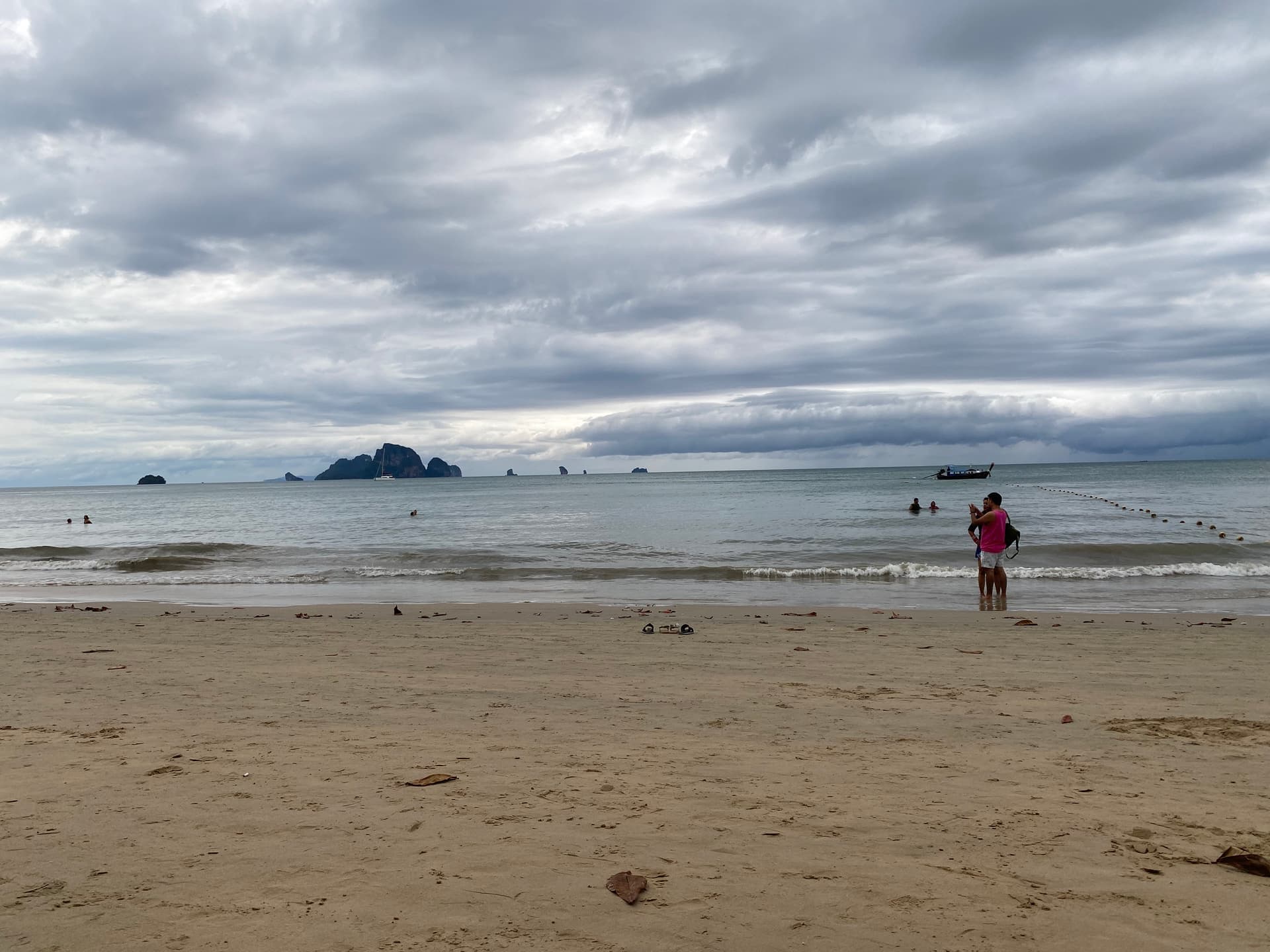
The classic pattern is a clear or partly cloudy morning, building clouds through the afternoon, and a burst of heavy rain, often intense but relatively short, an hour or two, followed by clearing skies again. It's rarely an all-day grey drizzle; more often it's bright sun, then a dramatic tropical downpour, then sun again. That said, especially in the wettest months, you can get multi-day stretches of overcast, wetter weather, and the sea gets rougher.
Rougher seas and boat cancellations
The bigger practical issue for travellers isn't the rain itself, it's the sea. Monsoon swell makes crossings to outer islands choppier and, at times, unsafe, which is why boat tours are more likely to be cancelled or rescheduled at short notice during these months. Build a buffer day into your itinerary if a specific boat trip is a must-do, and always book with an operator that clearly states its weather-cancellation policy.
What's closed
The clearest, most important closure to know about: Koh Rok and Koh Haa, two of the most popular day-trip islands near Koh Lanta, are officially closed to visitors from 16 May to 14 October each year as part of Mu Ko Lanta National Park's seasonal protection measures. If a Koh Rok or Koh Haa snorkeling trip is the centerpiece of your plan, this window rules it out entirely; check current dates with the operator before booking, since park authorities can adjust them.
What's still worth doing
Mangrove kayaking around Thung Yee Peng is largely unaffected, sheltered channels don't get the open-sea swell that cancels boat trips, and the forest is arguably more atmospheric under grey skies. Koh Lanta Old Town, the national park's mainland viewpoints and lighthouse, elephant sanctuary visits, cooking classes and spa days are all indoor-or-sheltered-enough to carry on regardless of rain. The island itself also turns noticeably green and lush in the wet months, which has its own appeal if you've seen the dry-season version before.
Who should visit in the rainy season anyway
Budget-conscious travellers and anyone who prioritizes quiet beaches over guaranteed sun. Accommodation prices drop noticeably, popular beaches are far less crowded, and outside of the heaviest rain spells you'll still get plenty of sunshine hours per day. It's a poor fit if a specific outer-island snorkeling trip is the whole point of your visit, or if you have very limited days and can't absorb a cancelled boat tour.
Usually not. The typical pattern is sun or clouds in the morning with a heavier rain burst in the afternoon lasting an hour or two, though multi-day overcast stretches happen too, especially in the wettest months.
No: both are officially closed to visitors from 16 May to 14 October each year as part of Mu Ko Lanta National Park's seasonal closure, so trips there aren't bookable during this window.
For many travellers, yes, lower prices and fewer crowds, with mangrove kayaking, Old Town, and the national park's mainland sights all still doable. It's a weaker choice if an outer-island snorkeling trip is your main goal.
 Most bookedFrom US$24