Summarize this page with AI
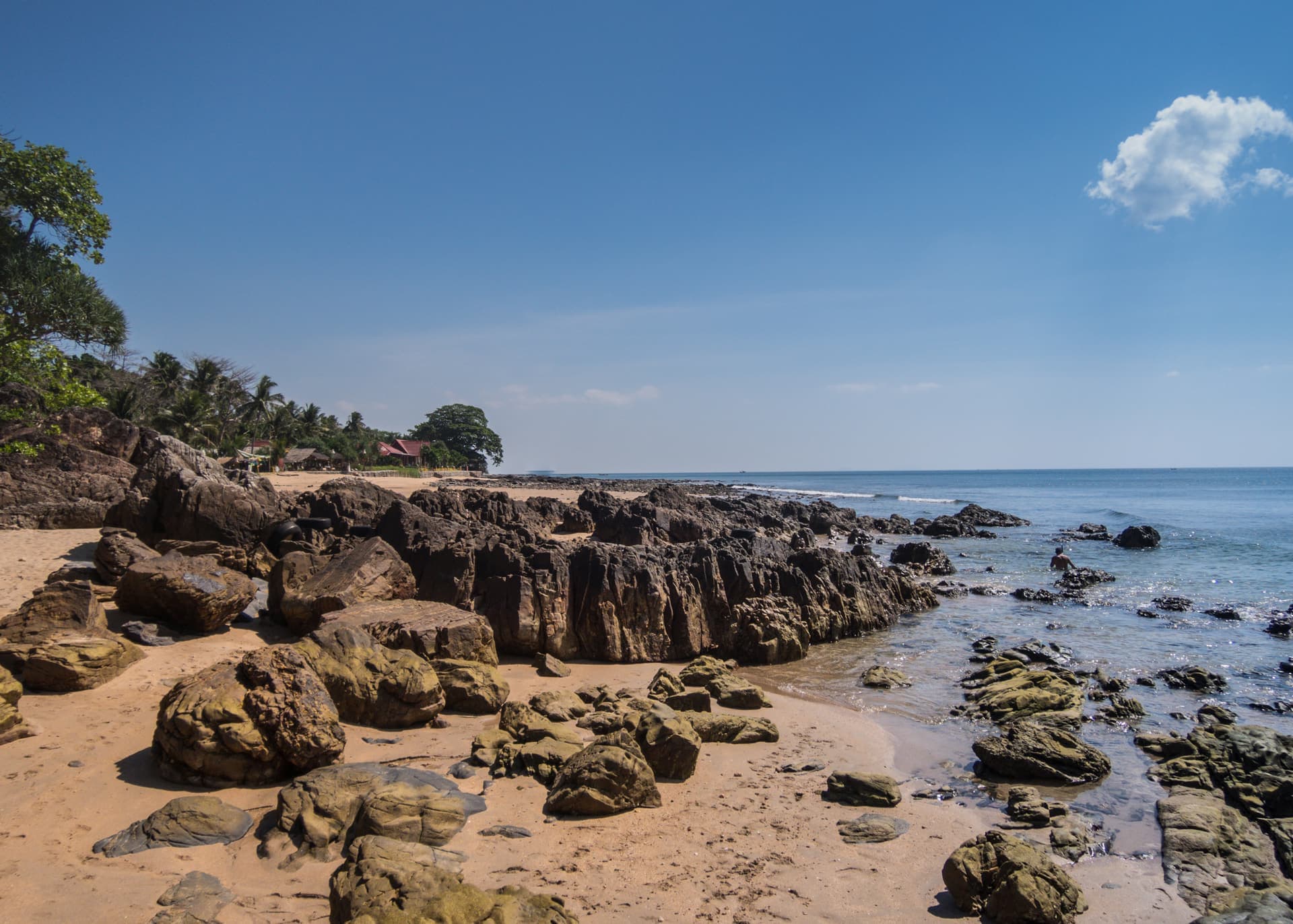
Koh Lanta is a long, low island in Krabi Province, southern Thailand, facing the Andaman Sea, calmer and less built-up than Phuket or Phi Phi, with a laid-back scene of beach bungalows, an Old Town built on stilts over the water, and a national park at its southern tip. If you're weighing it against nearby islands, see Koh Lanta or Koh Phi Phi: how to choose.
This guide covers the practical basics, entry, money, getting around, food, culture and safety. For a day-by-day itinerary, use our trip planner.
Koh Lanta essentials
| Location | Krabi Province, Andaman Sea, southern Thailand |
|---|---|
| Nearest airport | Krabi International Airport (KBV), then a road transfer, a car ferry and a bridge to the island |
| Currency | Thai Baht (THB): cash still preferred outside resorts |
| Language | Thai; English widely spoken in tourist areas |
| Best months | November to April (dry season) |
| Main beaches | Klong Dao, Klong Khong, Long Beach (Phra Ae), Klong Nin, Kantiang Bay |
| Getting around | Rented scooter, songthaew (shared pickup taxi), or private transfer |
| National park fee | 200 THB for foreign adults at Mu Ko Lanta National Park |
Getting there
Koh Lanta has no airport of its own. Almost everyone flies into Krabi International Airport, then continues by road transfer, a short car ferry crossing to Koh Lanta Noi and a bridge to Koh Lanta Yai, the island with the beaches. The full breakdown of the route, the ferry and the transfer options is in our getting to Koh Lanta guide .
A bridge from the mainland has been proposed but is not open, so plan on the car ferry. Queues and conditions vary, especially in bad weather, so leave a buffer before any onward flight and check current details with your transfer operator close to your travel date.
Money and costs
Koh Lanta is inexpensive by international standards but not the cheapest island in Thailand. Expect resort and restaurant prices somewhere between backpacker islands and Phuket. For a full cost breakdown, see is Koh Lanta expensive?.
ATMs are common in Saladan and along the main beach roads but charge a foreign transaction fee (typically around 220 THB per withdrawal, a fee set by Thai banks and subject to change), withdraw larger amounts less often rather than repeatedly. Cash is still expected at local restaurants, songthaews and beach vendors; cards are more commonly accepted at resorts and larger restaurants.
Getting around the island
Koh Lanta is long and narrow, so a scooter or car is genuinely useful if you plan to explore beyond your beach. Songthaews (shared pickup-truck taxis) run the main north-south road and can be flagged down, though services thin out later at night. See our scooters, taxis and songthaews guide.
Road accidents involving rented scooters are common in Thailand. Wear a helmet, drive cautiously on unfamiliar roads (especially at night or in rain), and check your travel insurance covers scooter use. Many policies exclude it without a valid motorcycle licence.
Food and drink
Expect excellent, affordable Thai seafood, grilled fish, curries and stir-fries, alongside a growing number of international restaurants aimed at the island's long-stay expat and digital-nomad crowd, especially around Long Beach and Klong Nin. Street-food-style local restaurants are the best value; beachfront resort restaurants cost more for the view.
If you'd rather have a local guide take you around than figure it out yourself, browse Koh Lanta tours for cooking classes and food-focused excursions.
Culture and the Chao Leh
Koh Lanta has a long history as a trading port and is home to the Chao Leh ("sea gypsies"), a seafaring community with a distinct culture and history on the island long before mass tourism arrived. A simple sawasdee (hello) and a smile go a long way, and it's worth spending an afternoon in Old Town learning some of that history rather than treating it purely as a photo backdrop. Saying khop khun (thank you) is always appreciated.
Is Koh Lanta safe?
Koh Lanta is a generally safe, low-crime island by international standards, with the usual practical risks of any tropical destination rather than any specific danger. The main things to plan around:
- Rip currents: some beaches (Long Beach and Klong Khong in particular) can have strong currents, especially in the rainy season, heed any red-flag warnings and ask locally before swimming in rough conditions.
- Scooter accidents: the single biggest real risk for tourists on any Thai island, drive defensively, wear a helmet, and don't ride if you've been drinking.
- Jellyfish and sea life: occasional jellyfish are reported, especially later in the rainy season. Ask at your accommodation if there's a current warning.
- Sun and heat: Year-round tropical sun is intense, pace outdoor activity, especially anything active like the hike to Mu Ko Lanta National Park's viewpoint and lighthouse , and carry water.
What to pack
- Reef-safe sunscreen (coral-friendly formulas are increasingly requested, and some national parks in Thailand restrict non-reef-safe sunscreen)
- A light rain jacket if visiting May–October
- Modest cover-up clothing for temples and Old Town shrines
- A dry bag for boat trips and kayaking
- Insect repellent for evenings, especially near the mangroves
- A physical or downloaded map, mobile signal is patchy in parts of the national park and south of Kantiang Bay
A sample week on Koh Lanta
This is one way to structure a week, for a version tailored to your dates and pace, use the trip planner.
| Day 1 | Arrive via Krabi, settle into your beach of choice, sunset at Long Beach |
|---|---|
| Day 2-3 | Beach time, snorkeling or a mangrove kayaking tour |
| Day 4 | Mu Ko Lanta National Park: viewpoint, lighthouse and Bamboo Bay |
| Day 5 | Old Town: history, food and the night market (seasonal) |
| Day 6 | 4-island day trip (Koh Rok, Koh Ha or Koh Kradan, season-dependent) |
| Day 7 | Slow morning, last swim, depart via Krabi |
Tours that fit this itinerary
See all tours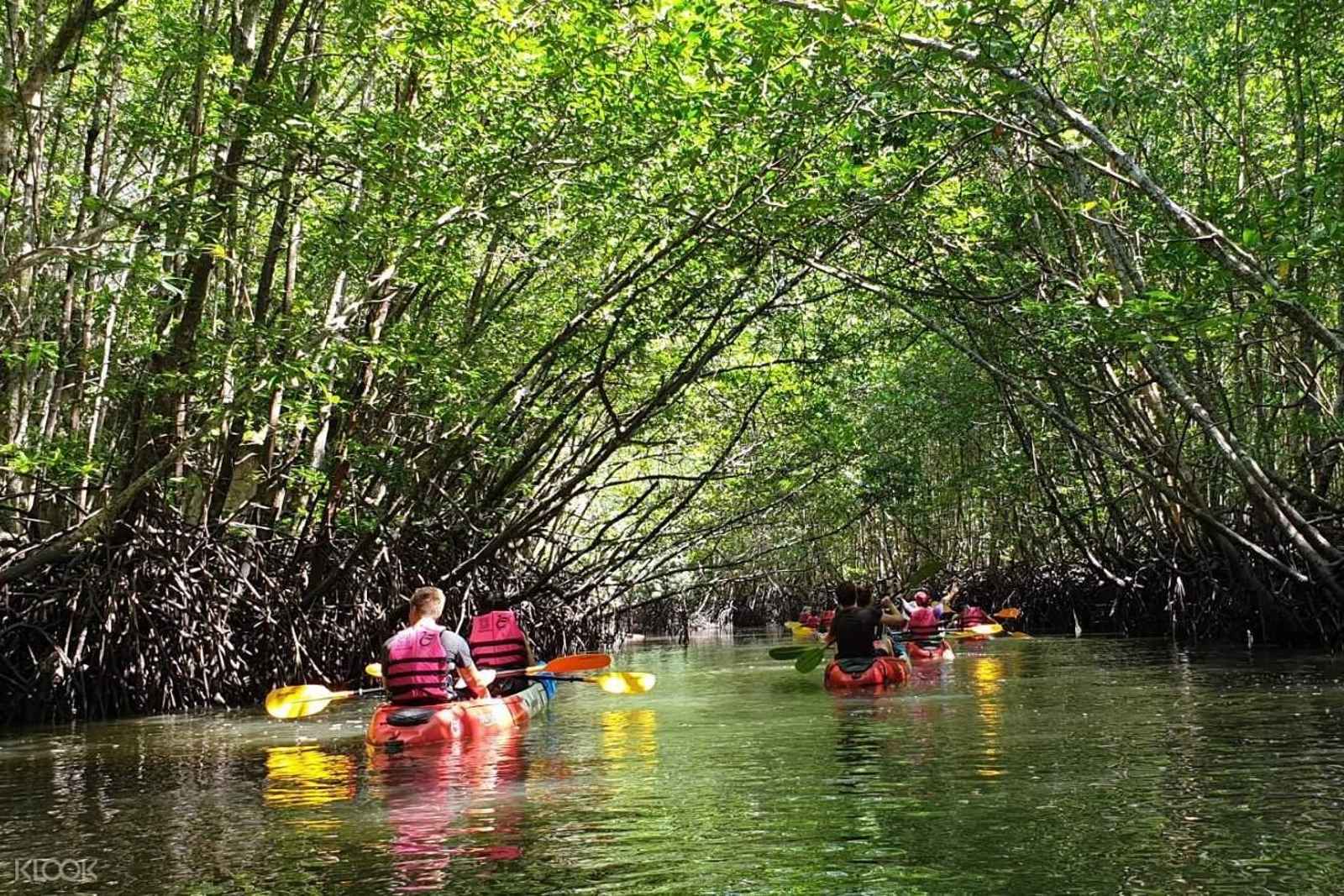 Most bookedFrom US$24
Ko Lanta: Half-Day Mangrove Kayaking Tour with Lunch
- 1,089 reviews at 4.7★: the island's most-reviewed mangrove tour
- Half-day kayak through the Thung Yee Peng mangrove tunnels, lunch included
Best for: First-timers who want one easy, well-reviewed mangrove morning
Check availability & price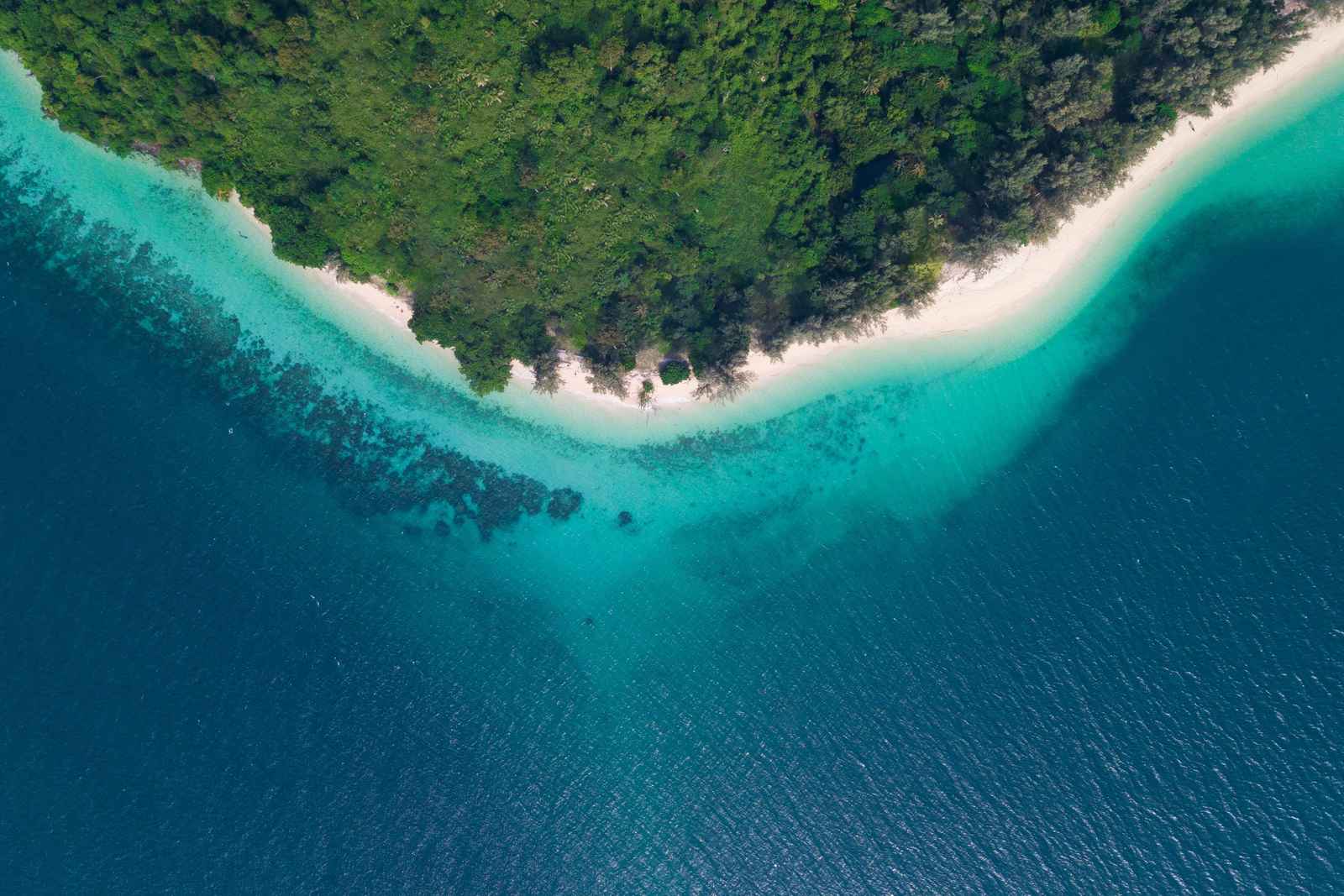 4-island classicFrom US$42
Koh Lanta: 4-Island Tour to Koh Kradan with Beach Lunch
- 4.6★ from 467 reviews
- A full day across four islands ending at Koh Kradan, lunch served on the beach
Best for: First-timers who want the archetypal 'Koh Lanta 4 islands' day
Check availability & price Half-day comboFrom US$27
Ko Lanta: Mangrove Kayak & Old Town Half-Day Tour
- 4.7★ from 118 reviews
- Mangrove kayaking paired with a stop in Koh Lanta Old Town on stilts over the sea
Best for: Travellers short on time who want mangroves and culture in one half-day
Check availability & priceKeep planning your trip
Best Time to Visit
Weather, seasons and when to book
Getting to Koh Lanta
Flights, ferries and transfers
Best Koh Lanta Beaches
Which beach fits your style
Where to Stay
Compare zones, prices and search hotels
Still have a question? Browse all FAQs
Frequently asked questions
Yes, especially if you want quieter beaches, a slower pace and a real national park without the crowds of Phuket or Phi Phi. See our full honest breakdown for the trade-offs.
Read our honest answerKoh Lanta sits in Krabi Province on Thailand's Andaman (west) coast, south of Krabi town and reached by road transfer, a short car ferry and a bridge.
See where to stayIt's mid-range for Thailand: pricier than backpacker islands, cheaper than Phuket's resort strip. Budget travellers and honeymooners can both find something that fits.
See a realistic budgetAlmost everyone flies into Krabi International Airport, then travels by road, a short car ferry crossing and a bridge to the island.
Full getting-there guideBeaches, Mu Ko Lanta National Park, mangrove kayaking, Old Town, the Following Giants ethical elephant sanctuary, and day trips to Koh Rok, Koh Ha and Koh Kradan.
See best beachesNovember to April is the dry season and the most reliable time to visit; May to October is rainier with some satellite islands closed seasonally.
See best time to visitPrices, fees and schedules are checked regularly but can change. Always confirm current details before booking.