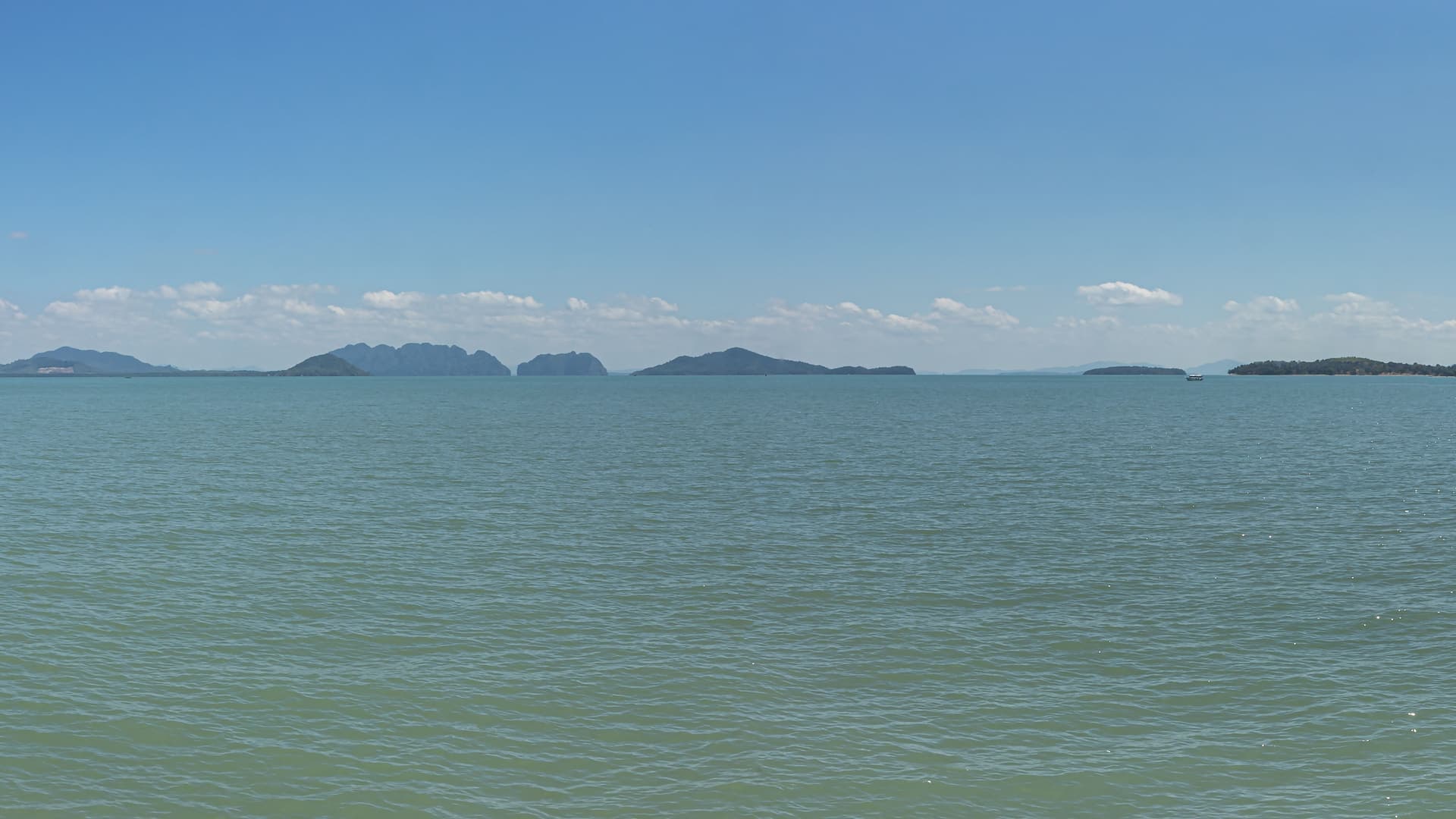
Is Koh Lanta Safe for Tourists? Honest Safety Guide
A quick, honest answer for anyone weighing up their first trip to the island.

Summarize this page with AI
Yes, Koh Lanta is generally very safe for tourists. It has a quieter, more laid-back reputation than Phuket or Koh Phi Phi, with a large share of long-stay expats and returning families rather than a heavy party crowd. Violent crime against tourists is rare. The most common real risks aren't crime at all, they're road traffic accidents involving rented scooters, and swimming conditions that change with the season.
As with anywhere popular with travellers, petty theft (an unlocked bag on a beach, a scooter left unlocked) does happen occasionally, so normal precautions apply: keep valuables out of sight, lock your bike, and use the safe in your room.
For visa rules, vaccinations and the latest government travel advisory, check your own country's official foreign travel advice rather than a blog, since those rules change and we don't track them here. Your national health authority covers vaccinations, and Thailand's official tourism and immigration channels cover entry requirements.
The real risks, ranked
| Risk | How likely | What to do |
|---|---|---|
| Scooter accident | The most common problem | Helmet, licence, insurance, no riding after drinking or at night if unsure |
| Currents and rough sea | Seasonal, mainly May to October on the west coast | Watch flags, ask locally, don't swim alone |
| Sun and heat | Every day | Water, shade at midday, high-factor sun cream |
| Dog or monkey bite | Occasional | Keep your distance, don't feed, get a bite treated the same day |
| Petty theft | Occasional | Lock the bike, don't leave bags alone on the beach |
Our editorial ranking from the island's guides and official advice, reviewed September 2026. Not a statistic.
Scooter accidents: the number one risk
Many visitors rent a motorbike without having ridden one before, on a main road shared with trucks, dogs and other tourists doing the same thing. Thailand drives on the left. The south of the island is hilly with sharp bends, side roads have loose gravel, and many stretches are poorly lit at night. Rain makes the surface slippery.
Wear a helmet, carry an international driving permit with a motorcycle category, and check your travel insurance covers motorbike use before you ride, not after. If you are not confident, use taxis, songthaews and tours with pickup. Our motorbike rental guide covers renting safely.
Sea, currents and the rainy season
In the dry season (roughly November to April) the west-coast beaches are usually calm. In the rainy season, some of them get stronger waves, currents and rip tides. Pay attention to warning flags and local advice, don't swim alone in rough conditions, and keep children within reach. If you are caught in a current, swim parallel to the shore rather than against it.
Boat trips are cancelled when the sea is too rough, and the marine park islands (Koh Rok, Koh Ha) close every low season on dates set each year by the Department of National Parks: in practice, trips stop around mid-May and restart in November. Don't push an operator to go out in bad weather. See Koh Lanta in the rainy season.
Dogs, monkeys and other animals
Stray and semi-owned dogs live along the roads and beaches. Most ignore people, but some chase scooters or guard their patch at night. Slow down, don't make sudden movements, and avoid walking alone on dark roads. Monkeys can be bold where people feed them: don't feed them, and keep food and bags closed.
Rabies is present in Thailand. Any bite or scratch from a dog, cat or monkey should be washed straight away and seen by a doctor the same day. Ask your national health authority whether a pre-travel vaccination makes sense for you.
Drugs and Thai law
Thailand's drug laws are strict and penalties for possession and trafficking can be severe, including for small quantities. The rules on cannabis have changed several times in recent years, so don't rely on what you saw on a previous trip or read on a forum. Check your government's current travel advice for Thailand, and don't accept or carry anything for someone else.
Emergency numbers, hospitals and insurance
Travel insurance matters more than usual here, because the nearest large hospitals are on the mainland. Check that your policy covers medical evacuation and scooter use, and read the conditions: many require you to hold a valid licence and wear a helmet. Keep the insurer's emergency number in your phone.
| Need | Where or who | Notes |
|---|---|---|
| Police | 191 | Thai national number |
| Ambulance | 1669 | Thai national emergency medical number |
| Hospital on the island | Koh Lanta Hospital | The island's only public hospital; none on the southern coast |
| Serious cases | Krabi Hospital or a private hospital in Phuket | Transfers go via the car ferry, so count on time |
| Trang | Hospitals in Trang town | Another mainland city; we have not verified transfers from Koh Lanta to it |
Numbers and hospitals as published on our Koh Lanta map, checked September 2026. Your accommodation can also call a local clinic or driver.
Frequently asked questions
Scooters are the main way to get around, and most visitors do rent one without issue, but road accidents involving tourists on rented bikes are the most common safety problem on the island. Wear a helmet, ride cautiously (especially at night and in rain), and confirm your travel insurance covers motorbike use before you ride.
Read our motorbike rental guideMany solo female travellers visit Koh Lanta without issue. It has a relaxed, family- and long-stay-friendly atmosphere. As anywhere, use normal precautions at night, stick to well-reviewed accommodation, and check your government's current travel advisory for Thailand before you go.
Yes: Koh Lanta Hospital is the island's only public hospital. Serious cases are transferred to Krabi Hospital or a private hospital in Phuket (checked September 2026). Call 1669 for an ambulance.
Koh Lanta mapUsually yes in the dry season. From about May to October some west-coast beaches get strong currents, so check flags and local advice and don't swim alone.
Use your own government's official travel advisory and your national health authority for vaccinations and health guidance, and Thailand's official tourism and immigration sources for entry rules. We don't publish visa, health or security rules on this site because they change.
Last verified 27 September 2026
Sources and further reading
Plan your days
Book the experiences that make the trip
Compare the best-rated Koh Lanta tours, check live prices and availability, and book in a few clicks.